

Why Roselle holds an important place in Malaysia?
In Southeast Asia, particularly in Malaysia, roselle (Hibiscus sabdariffa) has a notable history and various uses. Here’s a more detailed look at its role and significance in this region:
Introduction and Cultivation
- Historical Introduction: Roselle is believed to have been introduced to Malaysia through early trade routes from Africa and other parts of Asia. It adapted well to the tropical climate of Malaysia.
- Cultivation: Roselle is cultivated in various parts of Malaysia, especially in the states of Kelantan, Terengganu, and Pahang. The plant thrives in the hot and humid climate, and the cultivation is typically done on small farms.
Uses and Benefits
- Culinary Uses: In Malaysia, roselle is widely used in cooking and beverages. The calyxes are used to make a popular drink known locally as “sirap roselle” or “air asam belanda.” This beverage is enjoyed for its refreshing, tart flavor and is often sweetened with sugar.
- Jams and Preserves: Roselle calyxes are also used to make jams, jellies, and syrups. These products are enjoyed locally and have also become popular as export items.
- Traditional Dishes: The leaves and young shoots of the roselle plant are sometimes used in traditional Malaysian dishes, adding a tangy flavor to soups and salads.
Cultural Significance
- Festivals and Traditions: Roselle drinks and dishes are often part of traditional celebrations and festivals in Malaysia. The vibrant red color of roselle-based beverages makes them a popular choice for festive occasions.
- Economic Importance: Roselle cultivation provides a source of income for small-scale farmers in Malaysia. The demand for roselle products, both domestically and internationally, supports the local agricultural economy.
Research and Development
- Agricultural Research: Malaysian agricultural research institutions, such as the Malaysian Agricultural Research and Development Institute (MARDI), have been involved in studying and promoting the cultivation of roselle. Efforts are made to improve crop yields, pest resistance, and the quality of roselle products.
- Product Innovation: There is ongoing innovation in creating new roselle-based products, including health supplements, skincare items, and culinary ingredients. This diversification helps boost the market for roselle and increases its economic value.
In summary, roselle is important in Malaysia’s culinary, medicinal, and economic landscape. Its versatility and health benefits continue to make it a valuable crop in the region.
Flash Sales
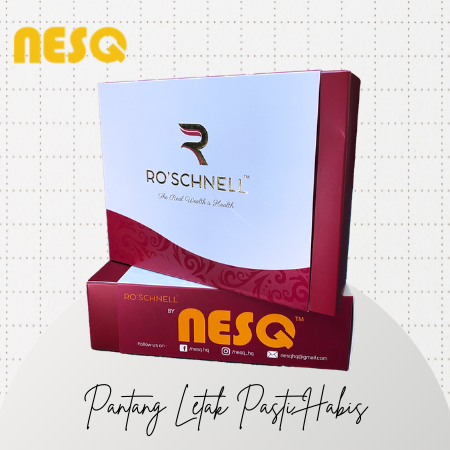
Dengan setiap pembelian 2 kotak Roschnell, anda berpeluang mendapat Postage secara PERCUMA!